Hey there! As a supplier of CNC machines, I often get asked about the differences between a CNC lathe and a CNC mill. It's a common question, especially for those new to the world of machining. So, let's dive right in and break it down.
Basics of CNC Lathes
First off, let's talk about CNC lathes. A CNC lathe is a machine that rotates a workpiece on its axis while a cutting tool is fed into it to remove material. This process is great for creating parts that are symmetrical around an axis, like shafts, pins, and bushings.
One of the key features of a CNC lathe is its ability to perform turning operations. Turning is the process of cutting away material from the outer diameter of a rotating workpiece. This can be done to create different shapes, such as straight cylinders, tapered cylinders, or even complex contours.
CNC lathes are also known for their high precision. With computer numerical control, the machine can follow a set of programmed instructions to make extremely accurate cuts. This is crucial in industries where tight tolerances are required, like aerospace and medical device manufacturing.
Another advantage of CNC lathes is their efficiency. Once the program is set up, the machine can run continuously, producing multiple parts with consistent quality. This makes them ideal for high-volume production.
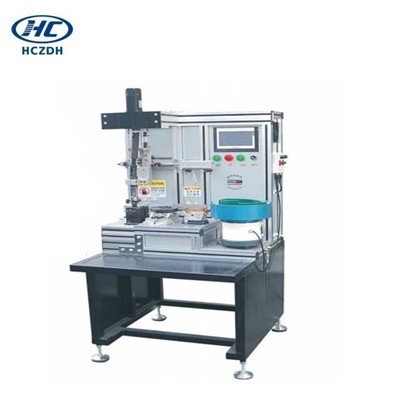
If you're looking for a high-performance CNC lathe, check out our CNC Automatic Lathe. It's designed to handle a wide range of turning operations with ease.
Basics of CNC Mills
Now, let's move on to CNC mills. A CNC mill is a machine that uses a rotating cutting tool to remove material from a stationary workpiece. Unlike a lathe, which rotates the workpiece, a mill moves the cutting tool in multiple directions to create complex shapes.
CNC mills are incredibly versatile. They can perform a variety of operations, including milling, drilling, boring, and tapping. This makes them suitable for creating parts with intricate geometries, such as molds, dies, and custom components.
One of the main advantages of a CNC mill is its ability to work on multiple axes. Most CNC mills have at least three axes (X, Y, and Z), but some can have up to five or more. This allows for greater flexibility in machining and the ability to create more complex shapes.
CNC mills also offer high precision and repeatability. Just like CNC lathes, they can follow programmed instructions to make accurate cuts. This is essential for industries that require high-quality parts, like automotive and electronics manufacturing.
If you're in need of a high-productivity CNC mill, take a look at our High Productivity CNC Machine. It's designed to deliver exceptional performance and efficiency.
Key Differences
Now that we've covered the basics of CNC lathes and CNC mills, let's take a closer look at the key differences between the two.
Workpiece Movement
The most obvious difference is the way the workpiece moves. In a CNC lathe, the workpiece rotates on its axis, while in a CNC mill, the workpiece remains stationary. This difference in movement determines the types of operations that each machine can perform.
Cutting Tool Movement
Another difference is the movement of the cutting tool. In a CNC lathe, the cutting tool moves linearly along the axis of the workpiece to perform turning operations. In a CNC mill, the cutting tool moves in multiple directions to create complex shapes.
Types of Parts
CNC lathes are best suited for creating parts that are symmetrical around an axis, such as shafts, pins, and bushings. CNC mills, on the other hand, are better for creating parts with complex geometries, such as molds, dies, and custom components.


Production Volume
CNC lathes are often used for high-volume production because they can run continuously and produce multiple parts with consistent quality. CNC mills, on the other hand, are more commonly used for low to medium volume production, especially for parts that require complex machining operations.
Cost
The cost of a CNC lathe and a CNC mill can vary depending on the size, features, and capabilities of the machine. In general, CNC lathes tend to be less expensive than CNC mills, especially for smaller machines. However, the cost can increase significantly for larger and more advanced machines.
Applications
Both CNC lathes and CNC mills have a wide range of applications in various industries. Let's take a look at some of the common applications for each machine.
CNC Lathe Applications
- Automotive Industry: CNC lathes are used to manufacture engine components, such as pistons, crankshafts, and camshafts.
- Aerospace Industry: They are used to create parts for aircraft engines, landing gear, and other critical components.
- Medical Industry: CNC lathes are used to produce medical devices, such as surgical instruments and implants.
- Electronics Industry: They are used to manufacture components for electronic devices, such as connectors and switches.
CNC Mill Applications
- Mold and Die Making: CNC mills are used to create molds and dies for injection molding, die casting, and other manufacturing processes.
- Prototyping: They are used to create prototypes of new products quickly and accurately.
- Custom Part Manufacturing: CNC mills are ideal for creating custom parts with complex geometries that cannot be produced using other methods.
- Automotive Industry: They are used to manufacture engine blocks, transmission cases, and other components.
Which One Should You Choose?
So, which one should you choose: a CNC lathe or a CNC mill? The answer depends on your specific needs and requirements.
If you need to create parts that are symmetrical around an axis and require turning operations, a CNC lathe is the way to go. It's efficient, precise, and ideal for high-volume production.
On the other hand, if you need to create parts with complex geometries and require milling, drilling, and other operations, a CNC mill is the better choice. It's versatile, flexible, and can handle a wide range of machining tasks.
In some cases, you may even need both a CNC lathe and a CNC mill to meet all your machining needs. That's where we come in. As a leading supplier of CNC machines, we offer a wide range of lathes and mills to suit your specific requirements.
Conclusion
In conclusion, CNC lathes and CNC mills are both powerful machining tools that offer unique advantages. Understanding the differences between the two can help you make an informed decision when choosing the right machine for your needs.
If you're interested in learning more about our CNC machines or have any questions, please don't hesitate to contact us. We'd be happy to help you find the perfect machine for your business.
References
- "CNC Machining Handbook" by John Doe
- "Introduction to CNC Programming" by Jane Smith
- "Advanced CNC Machining Techniques" by Bob Johnson