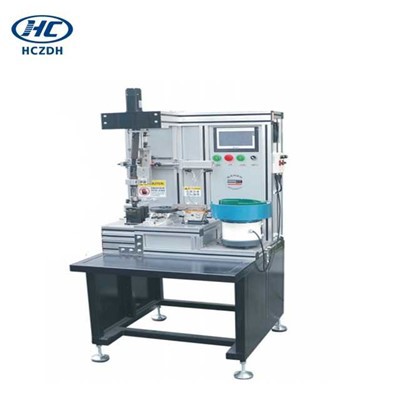
Hey there! As a supplier of CNC machines, I often get asked about the installation space requirements for these powerful tools. It's a crucial question because getting the space right can make a huge difference in how well your CNC machine operates and how safe your workspace is. So, let's dive into what you need to know.


First off, why does the installation space matter? Well, a CNC machine is like a high - tech workhorse. It needs enough room to move freely, and proper space ensures that operators can access it easily for maintenance, loading materials, and unloading finished products. Also, sufficient space helps in preventing accidents and allows for good ventilation, which is essential for the machine's longevity.
General Space Considerations
The size of the CNC machine itself is the most obvious factor. You can't just plop a large machine into a tiny corner. You need to measure the machine's footprint, which includes not only the base but also any protruding parts like tool changers or coolant tanks. Most manufacturers provide the machine's dimensions in the product specifications. For example, our Ball Valve Assembly Machine has specific length, width, and height measurements that you should consider.
But it's not just about the machine's physical size. You also need to account for the operator's workspace. An operator needs enough room to stand, move around the machine, and use any control panels comfortably. A good rule of thumb is to leave at least 3 - 4 feet of clear space around the machine for easy access.
Another important aspect is the space for material handling. You'll be loading raw materials onto the machine and taking out finished parts. So, there should be enough space to store these materials nearby. This might mean having a small storage area or a conveyor system for continuous production.
Ventilation and Airflow
CNC machines generate a lot of heat, especially during long - running operations. Proper ventilation is necessary to keep the machine cool and prevent overheating. Inadequate ventilation can lead to premature wear and tear of the machine's components. You need to have enough space for ventilation ducts or fans. If you're installing the machine in a closed room, make sure there's an exhaust system to remove fumes and dust generated during the machining process.
Electrical and Utility Requirements
CNC machines are power - hungry. They need a stable electrical supply, and you'll need to set up electrical panels and wiring. There should be enough space to install these electrical components safely. Also, consider the space for other utilities like coolant lines, compressed air lines (if the machine uses pneumatic tools), and waste disposal systems. For instance, our Brass Valve CNC Machine has specific electrical and utility requirements that need to be accommodated in the installation space.
Clearance for Maintenance
Maintenance is a must for any CNC machine. You'll need to access different parts of the machine for cleaning, lubrication, and part replacement. So, make sure there's enough clearance around the machine to open panels, remove covers, and use tools. This might mean leaving extra space behind or on the sides of the machine.
Specific Machine Types and Their Space Needs
Different types of CNC machines have different space requirements. For example, a Speed Milling Complex Machine is often used for high - speed precision work. These machines usually have a smaller footprint compared to large - scale machining centers, but they still need space for the spindle, tool magazine, and coolant management.
Lathes, on the other hand, need a long, narrow space because of their rotating axis. You need to consider the length of the workpiece that can be accommodated on the lathe and leave enough space for the chuck and tailstock operations.
Floor Strength and Stability
CNC machines are heavy, and they vibrate during operation. The floor where you install the machine needs to be strong enough to support its weight and absorb the vibrations. A weak floor can cause the machine to move or become misaligned, which can affect the accuracy of the machining. If you're installing the machine on an upper floor, you might need to consult a structural engineer to ensure the floor can handle the load.
Planning Your Installation Space
Before you install a CNC machine, it's a good idea to create a detailed layout of the space. Mark out the machine's location, the operator's workspace, the storage areas, and the utility connections. You can use graph paper or a digital design tool to create a scale model of the installation area. This will help you visualize how everything will fit together and identify any potential issues early on.
Safety Considerations
Safety should always be a top priority when installing a CNC machine. There should be enough space for safety barriers and emergency stop buttons. These barriers can prevent operators from accidentally coming into contact with moving parts of the machine. Also, make sure there's a clear path for evacuation in case of an emergency.
Conclusion
In conclusion, the installation space requirement for a CNC machine depends on several factors, including the machine's size, the operator's needs, ventilation, electrical and utility requirements, and safety considerations. As a CNC machine supplier, I can't stress enough the importance of getting the installation space right. It not only ensures the smooth operation of the machine but also contributes to a safe and efficient working environment.
If you're thinking about purchasing a CNC machine and need help with understanding the installation space requirements, or if you have any other questions, don't hesitate to reach out. We're here to assist you in making the best decision for your business. Whether it's our Ball Valve Assembly Machine, Brass Valve CNC Machine, or Speed Milling Complex Machine, we can provide all the necessary information and support for a successful installation.
References
- "CNC Machine Installation Guide" - Industry - standard handbook on CNC machine setup
- Manufacturer's product manuals for various CNC machines