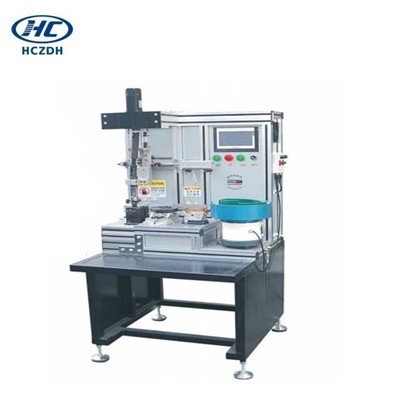
Selecting the right CNC machine for woodworking is a crucial decision that can significantly impact the efficiency, quality, and profitability of your woodworking projects. As a CNC machine supplier, I understand the challenges and considerations involved in this process. In this blog post, I will guide you through the key factors to consider when choosing a CNC machine for woodworking, providing you with the knowledge and insights to make an informed decision.
Project Requirements
The first step in selecting a CNC machine for woodworking is to clearly define your project requirements. Consider the following aspects:
- Size and Complexity of Projects: Determine the maximum size of the wood pieces you will be working with and the complexity of the designs you plan to create. This will help you choose a machine with an appropriate working area and the necessary capabilities to handle your projects.
- Production Volume: Assess the volume of woodworking projects you expect to complete within a given time frame. If you have high production demands, you may need a machine with faster processing speeds and higher automation capabilities.
- Type of Wood: Different types of wood have varying hardness, density, and grain patterns, which can affect the performance of the CNC machine. Consider the types of wood you commonly work with and ensure that the machine you choose is suitable for processing them.
Machine Features and Capabilities
Once you have a clear understanding of your project requirements, it's time to evaluate the features and capabilities of different CNC machines. Here are some key factors to consider:
- Spindle Power: The spindle power determines the cutting force and speed of the machine. For woodworking, a spindle power of at least 3-5 horsepower is recommended for most applications. Higher spindle power allows for faster cutting speeds and the ability to handle thicker and harder woods.
- Axis Configuration: CNC machines typically come with 3-axis, 4-axis, or 5-axis configurations. A 3-axis machine is suitable for basic woodworking tasks, such as cutting, drilling, and milling flat surfaces. A 4-axis machine adds the ability to rotate the workpiece around one additional axis, allowing for more complex curved and contoured cuts. A 5-axis machine provides even greater flexibility and precision, enabling the creation of highly intricate and detailed designs.
- Cutting Precision: The cutting precision of a CNC machine is measured in terms of its repeatability and accuracy. Look for a machine with high repeatability (typically within ±0.01 mm) and accuracy to ensure consistent and precise cuts.
- Control System: The control system is the brain of the CNC machine, allowing you to program and control its operations. Choose a machine with a user-friendly control system that offers advanced features such as CAD/CAM integration, toolpath simulation, and remote monitoring.
- Automation Features: Automation features can significantly improve the efficiency and productivity of your woodworking operations. Look for machines with features such as automatic tool changers, material handling systems, and robotic loading and unloading capabilities.
Software Compatibility
In addition to the machine itself, it's important to consider the software compatibility of the CNC machine. The software you use will determine the ease of programming, the complexity of designs you can create, and the overall functionality of the machine. Here are some key points to consider:
- CAD/CAM Software: CAD (Computer-Aided Design) and CAM (Computer-Aided Manufacturing) software are essential for creating and programming CNC machine operations. Make sure the CNC machine you choose is compatible with the CAD/CAM software you are familiar with or plan to use.
- File Formats: Different CNC machines support different file formats. Ensure that the machine can accept the file formats generated by your CAD/CAM software, such as G-code or STL.
- Software Updates and Support: Choose a CNC machine supplier that provides regular software updates and technical support to ensure that your machine stays up-to-date and runs smoothly.
Machine Quality and Reliability
The quality and reliability of a CNC machine are crucial factors that can affect its performance, lifespan, and maintenance costs. When evaluating different machines, consider the following:
- Build Quality: Look for a machine with a robust and rigid construction to ensure stability and accuracy during operation. Machines made from high-quality materials such as cast iron or steel are generally more durable and reliable.
- Brand Reputation: Research the reputation of the CNC machine brand and supplier. Look for brands with a proven track record of producing high-quality machines and providing excellent customer support.
- Warranty and Service: A good warranty and service package are essential to protect your investment and ensure that you have access to technical support and maintenance services when needed. Look for a machine with a comprehensive warranty and a reliable service network.
Cost and Budget
Cost is always a significant consideration when purchasing a CNC machine. However, it's important to remember that the cheapest option may not always be the best choice in the long run. Consider the following factors when evaluating the cost of a CNC machine:
- Initial Purchase Price: Compare the prices of different CNC machines based on their features, capabilities, and quality. However, don't make your decision solely based on price. Consider the long-term value and return on investment of the machine.
- Operating Costs: In addition to the initial purchase price, consider the operating costs of the machine, such as electricity consumption, tooling costs, and maintenance expenses. Look for a machine that is energy-efficient and has low operating costs.
- Financing Options: If you don't have the upfront capital to purchase a CNC machine, consider financing options such as leasing or loans. Many CNC machine suppliers offer financing programs to help you acquire the machine you need.
Examples of CNC Machines for Woodworking
To give you a better idea of the types of CNC machines available for woodworking, here are some examples:


- CNC Automatic Lathe: A CNC automatic lathe is a versatile machine that can be used for turning, drilling, and threading wood pieces. It is suitable for producing cylindrical or conical parts with high precision and efficiency.
- OEM CNC Lathe Machine: An OEM CNC lathe machine is a customized machine designed to meet the specific requirements of your woodworking projects. It offers greater flexibility and customization options compared to standard CNC lathes.
- CNC Milling Machine: A CNC milling machine is a powerful machine that can be used for cutting, drilling, and milling wood pieces. It is suitable for producing complex shapes and designs with high precision and accuracy.
Conclusion
Selecting the right CNC machine for woodworking requires careful consideration of your project requirements, machine features and capabilities, software compatibility, machine quality and reliability, and cost and budget. By following the guidelines outlined in this blog post, you can make an informed decision and choose a CNC machine that meets your needs and helps you achieve your woodworking goals.
If you have any questions or need further assistance in selecting a CNC machine for woodworking, please feel free to contact us. Our team of experts is here to help you find the perfect machine for your woodworking projects.
References
- "CNC Machining Handbook" by O. P. Khanna
- "Woodworking with CNC Machines" by Chris Schwarz
- "CNC Programming Handbook" by Walter C. Bigler