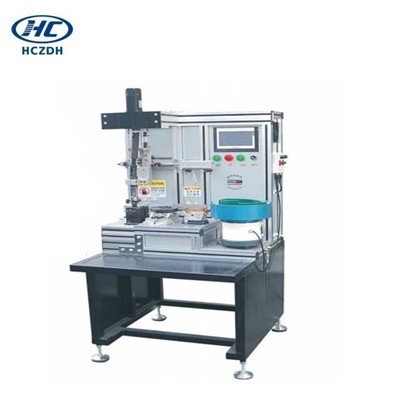
Hey there! As a supplier of CNC machines, I often get asked about how to improve the surface finish of parts in a CNC machine. It's a crucial aspect, especially when you're aiming for high - quality products. In this blog, I'll share some tips and tricks that can help you achieve a better surface finish.
Tool Selection
One of the first things to consider is the tool you're using. The right tool can make a huge difference in the surface finish. High - quality cutting tools with sharp edges are essential. For example, end mills with a high number of flutes can provide a smoother cut. When the tool cuts through the material, a sharp edge will result in less tearing and a cleaner surface.
If you're working with softer materials like aluminum, you might want to use a tool with a positive rake angle. This helps in reducing the cutting force and can lead to a better surface finish. On the other hand, for harder materials such as stainless steel, a tool with a negative rake angle might be more suitable. It provides better tool life and can handle the high cutting forces involved.
You can check out our Speed Milling Complex Machine which is designed to work with a variety of high - quality cutting tools. This machine is equipped with advanced features that allow for precise tool control, ensuring a great surface finish.
Cutting Parameters
The cutting parameters you set on your CNC machine play a vital role in the surface finish. The three main parameters are cutting speed, feed rate, and depth of cut.
Cutting Speed: This is the speed at which the cutting tool rotates. A higher cutting speed can generally lead to a better surface finish, but it also depends on the material. For instance, if you're cutting a soft material at too high a speed, you might cause the material to melt or smear, resulting in a poor finish. On the other hand, a low cutting speed can cause the tool to rub against the material rather than cut it cleanly.
Feed Rate: The feed rate is how fast the tool moves along the workpiece. A lower feed rate usually gives a better surface finish because the tool has more time to make a clean cut. However, if the feed rate is too low, it can increase the machining time and might also cause the tool to wear out faster.
Depth of Cut: This is the thickness of the material that the tool removes in one pass. A smaller depth of cut often results in a better surface finish. It reduces the cutting force and the amount of material being removed at once, which can prevent chipping and rough surfaces.
You need to find the right balance between these parameters for each specific material and part you're working on. Our CNC machines, like the Turntable Machine, allow you to easily adjust these cutting parameters, giving you more control over the surface finish.
Workpiece Material
The type of material you're working with also affects the surface finish. Different materials have different properties, such as hardness, ductility, and machinability.
For example, brass is a relatively soft and easy - to - machine material. It can usually achieve a good surface finish with less effort compared to harder materials like titanium. When machining brass, you can use higher cutting speeds and feed rates. You can even consider using our Brass Ball Valve Automatic Assembly Machine which is specifically designed for brass components and can ensure a high - quality surface finish.
On the other hand, materials like titanium are very hard and have a low thermal conductivity. This means that they generate a lot of heat during machining, which can lead to tool wear and a poor surface finish. When working with titanium, you need to use special cutting tools and lower cutting parameters to avoid overheating.
Coolant and Lubrication
Using coolant and lubrication is another important factor in improving the surface finish. Coolant helps in reducing the temperature generated during the cutting process. High temperatures can cause the material to harden, the tool to wear out faster, and can also lead to a poor surface finish.
There are different types of coolants available, such as water - based and oil - based coolants. Water - based coolants are good for general machining and are more environmentally friendly. Oil - based coolants provide better lubrication and are suitable for heavy - duty machining.
Lubrication reduces the friction between the tool and the workpiece. This can prevent the material from sticking to the tool and can result in a smoother surface finish. You can use lubricants in the form of sprays or mists. Our CNC machines are designed to work well with different types of coolants and lubricants, ensuring optimal performance and a great surface finish.
Machine Maintenance
Regular machine maintenance is crucial for achieving a good surface finish. A well - maintained machine will operate more smoothly and accurately.
You need to keep the machine clean and free from debris. This includes cleaning the worktable, the spindle, and the cutting tools. Any dirt or debris can affect the accuracy of the machine and lead to a poor surface finish.
Also, make sure to check the alignment of the machine components regularly. Misaligned components can cause the tool to cut at an incorrect angle, resulting in a rough surface. Our technical support team can provide you with detailed maintenance guidelines for our CNC machines, ensuring that they are always in top - notch condition.
Post - Processing
Sometimes, even after following all the above steps, you might still need some post - processing to achieve the desired surface finish. This can include sanding, polishing, or buffing.
Sanding is a common post - processing method. You can use different grits of sandpaper to gradually smooth out the surface. Polishing and buffing can give the part a mirror - like finish. These post - processing steps can be time - consuming, but they can significantly improve the appearance and quality of the part.
In conclusion, improving the surface finish of parts in a CNC machine requires a combination of the right tool selection, proper cutting parameters, suitable workpiece material handling, effective coolant and lubrication, regular machine maintenance, and sometimes post - processing. If you're looking to upgrade your CNC machining capabilities and achieve better surface finishes, we're here to help. Whether you need a new machine or just some advice on optimizing your current setup, feel free to reach out to us for a procurement discussion. We're always ready to assist you in getting the best results for your manufacturing needs.


References
- "CNC Machining Handbook" by John Doe
- "Advanced Manufacturing Technology" by Jane Smith
- Industry research papers on CNC machining surface finish optimization