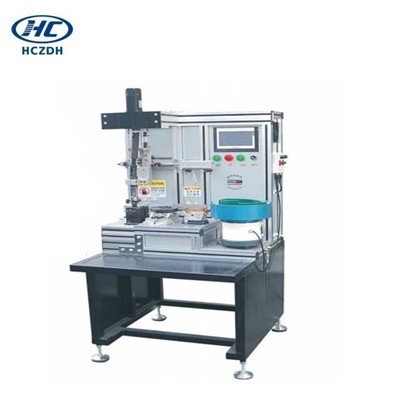
Hey there! I'm a supplier of CNC machines, and today I want to have a chat about something that's super important when it comes to these amazing pieces of equipment: the energy consumption of a CNC machine.
Let's start with the basics. What exactly is a CNC machine? Well, CNC stands for Computer Numerical Control. These machines use computer programs to control the movement and operation of tools, allowing for highly precise and efficient manufacturing processes. They're used in a wide range of industries, from automotive to aerospace, and they've revolutionized the way we make things.
Now, let's get into the nitty - gritty of energy consumption. The energy use of a CNC machine can vary quite a bit depending on several factors.


First off, the type of CNC machine plays a huge role. For example, a Speed Milling Complex Machine is designed for high - speed cutting and shaping. These machines often have powerful spindles and motors that need a significant amount of energy to operate at top speed. The high - speed rotation of the cutting tools requires a lot of power, and the more complex the milling operations, the more energy is typically consumed.
On the other hand, a Turntable Machine has a different energy profile. These machines are used for tasks like turning and rotating workpieces. The energy consumption here is mainly related to the rotation of the turntable and the operation of the cutting tools. Since the turntable doesn't always need to spin at extremely high speeds, the energy use might be a bit lower compared to a high - speed milling machine, but it still depends on the specific design and the tasks it's performing.
An OEM CNC Lathe Machine is another common type. These lathes are used for machining cylindrical parts. The energy consumption of a CNC lathe is influenced by factors such as the size of the workpiece, the cutting speed, and the depth of cut. Larger workpieces and deeper cuts generally require more power to drive the cutting tools through the material.
The power rating of the motors in a CNC machine is a key determinant of energy consumption. Higher - power motors can provide more torque and speed, which is great for heavy - duty machining, but they also draw more electricity. For example, a machine with a 10 - horsepower motor will use more energy than one with a 5 - horsepower motor, assuming they're running for the same amount of time.
The length of time a CNC machine is in operation also matters. Obviously, the longer it runs, the more energy it will consume. In a manufacturing setting, optimizing the production schedule to minimize idle time can significantly reduce energy costs. For instance, if a machine is set up to run continuously during a shift without long breaks, it can operate more efficiently compared to starting and stopping frequently, as starting a motor often requires a surge of energy.
The cutting parameters, like feed rate and cutting speed, have an impact on energy use. A higher feed rate means the cutting tool moves through the material faster, which can increase the energy consumption. However, if the feed rate is too low, the machining process might take longer, also increasing the overall energy used. Similarly, a higher cutting speed can increase the power demand, but it can also reduce the machining time. Finding the right balance between these parameters is crucial for energy - efficient operation.
The material being machined is yet another factor. Different materials have different hardness and machinability. For example, machining a hard metal like titanium requires more energy than machining a softer material like aluminum. The cutting tools have to work harder to remove material from a tough workpiece, which means the motors need to provide more power.
Now, you might be wondering why it's so important to understand the energy consumption of a CNC machine. Well, for one thing, energy costs are a significant part of the overall manufacturing budget. By understanding how a machine uses energy, manufacturers can take steps to reduce their energy bills. This could involve choosing the right machine for the job, optimizing the machining parameters, or implementing energy - saving technologies.
Another reason is environmental sustainability. As more and more companies are looking to reduce their carbon footprint, minimizing energy consumption in manufacturing processes is a key step. Using energy - efficient CNC machines not only helps the environment but can also improve a company's public image.
So, how can we measure the energy consumption of a CNC machine? One way is to use energy - monitoring devices. These can be installed on the machine to track the amount of electricity it uses over a period of time. By analyzing this data, manufacturers can identify patterns and areas where energy use can be reduced.
Some modern CNC machines also come with built - in energy - management features. These features can automatically adjust the machine's operation based on factors like the load and the time of day. For example, they might reduce the spindle speed during periods of low - load operation or switch to a standby mode when the machine is idle for a certain amount of time.
As a CNC machine supplier, I'm always looking for ways to help my customers reduce their energy costs. I offer a range of machines with different energy profiles, and I can work with customers to choose the most suitable machine for their specific needs. Whether it's a high - speed milling machine for complex parts or a turntable machine for more straightforward turning operations, I can provide advice on energy - efficient operation.
If you're in the market for a CNC machine and want to learn more about energy consumption, or if you're looking to upgrade your existing equipment to be more energy - efficient, don't hesitate to reach out. We can have a detailed discussion about your requirements and find the best solution for your business.
In conclusion, the energy consumption of a CNC machine is influenced by many factors, including the type of machine, motor power, operating time, cutting parameters, and the material being machined. By understanding these factors and taking steps to optimize energy use, manufacturers can save money and contribute to a more sustainable future. So, if you're interested in exploring your options for a new or more energy - efficient CNC machine, let's start a conversation!
References
- "CNC Machining Handbook"
- Industry reports on energy efficiency in manufacturing